The beauty of an antique visiting kimono is brought back to life through re-tailoring - a piece that connects memories to the future

Updated: Oct 22, 2025
Antique formal kimono are attractive for their colors, patterns, and textures that are not found in modern kimonos. However, over time, the measurements may no longer fit, or the fabric may become loose. In such cases, we recommend having it re-tailored. By having a cherished formal kimono re-tailored, you can breathe new life into it and revive it into a piece that suits modern life.
Kimono are clothing that can be re-tailored, so you can wear your memories.
Also, when you find something you like online, don't you want to try it on?

The appeal of antique visiting kimonos
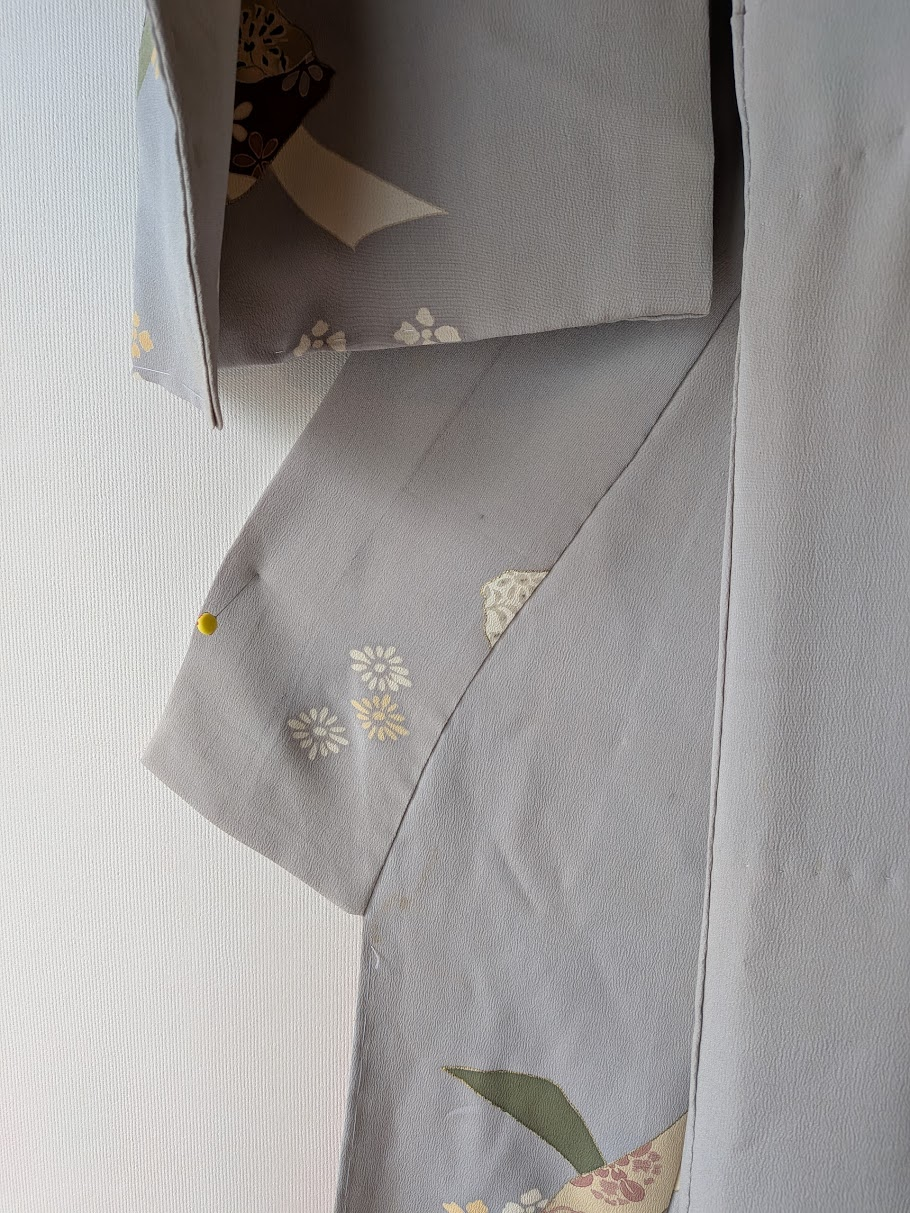
Its greatest feature is its soft grayish color, which is not found in modern colors. The dyes are different, so the difference is noticeable when it is exposed to light.
Unique patterns and colors
Antique kimonos are attractive for their unique dyeing, weaving, and colors that are rarely seen in modern times. Formal kimono in particular are able to create a sense of elegance while still retaining their dignity, making them a statement piece even in formal settings.

Timeless Value
Formal kimono handed down from grandmothers or mothers are filled with stories and memories. The great value of antique Formal kimono is the "depth of time" that new items do not have.
Expanding possibilities through redesign
Antique kimonos generally require washing and starching.
Resize it to make it a piece you can wear again
By adjusting the measurements to suit your body type and modern fashion, you can make your Formal kimono wearable again. Adjusting the sleeve length and sleeve width is one of the most commonly done alterations.

Design arrangement and remake are also possible
Not only can they be remade into formal formal wear, but they can also be remade into kimono jacket or coats, or even obi sashes or accessories. One of the unique ways to enjoy antique formal wear is to use precious fabric in different ways.
Points to consider when requesting re-tailoring
Consult with a shop or Japanese dressmaker that specializes in kimono tailoring and alterations.
Have the condition of the fabric (stains and weakness) assessed
Consider whether to have it re-tailored or remade depending on the purpose (this is important! You must carefully consider whether it is worth it!)

Antique visiting kimonos can be given new life by being re-tailored. Cherishing memories while enjoying them in a way that suits modern life is truly a "kimono culture that connects the ages." If you have a visiting kimono that has been sitting around for a while, why not take this opportunity to consider having it re-tailored?
Shall we do it?


Comments