À la recherche du temps perdu — YUKATA Haute-couture —


It's almost yukata season. In Tokyo, there's an unspoken rule: once Sanja Matsuri is over, you can step outside in a yukata. In other regions, the local festival sets the cue. Japan stretches so far from north to south that the turning of seasons feels entirely different depending on where you stand.
There is no shortage of wasai craftspeople. Overseas production has grown in recent years, and more people are choosing it for the lower cost. Honestly, there are countless seamstresses more skilled than I am. But what PASSIONEER offers is yukata haute couture.
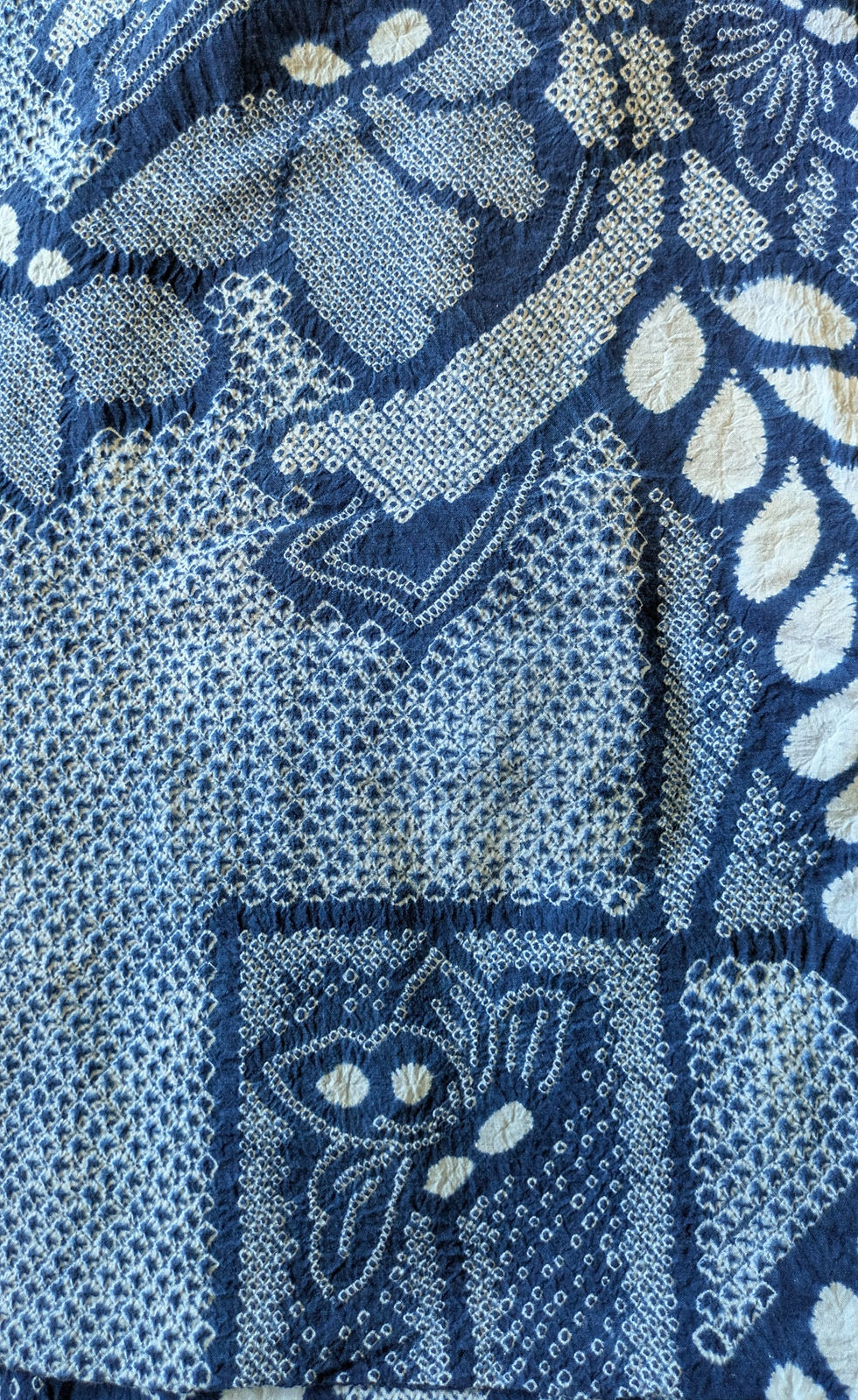
Choosing your favorite fabric and letting a yukata appear as if by default — what a waste. Wasai is haute couture. No different from the great French maisons. Everything the most prestigious houses do, the world of wasai has done without question since time immemorial. Japanese people simply haven't noticed. Wasai is haute couture. Measurements are taken. Each garment is sewn with care, one person at a time. When there is a pattern, every needle is placed so that the person who wears it looks their most beautiful. A yukata that appears automatically if you say nothing. You are allowed to be far more particular. This is the yukata haute couture that PASSIONEER offers. What makes it different? Where is the difference? That is — the shared-fabric back lining, and the roundness of the sleeves. What this means, we'll talk about next time.
You may never wear a kimono. But you can wear the art of Wasai. On ne porte pas forcément un kimono. Mais on peut porter l'art du Wasai. — PASSIONEER
Comments