À la recherche du temps perdu — Yukata Haute Couture-

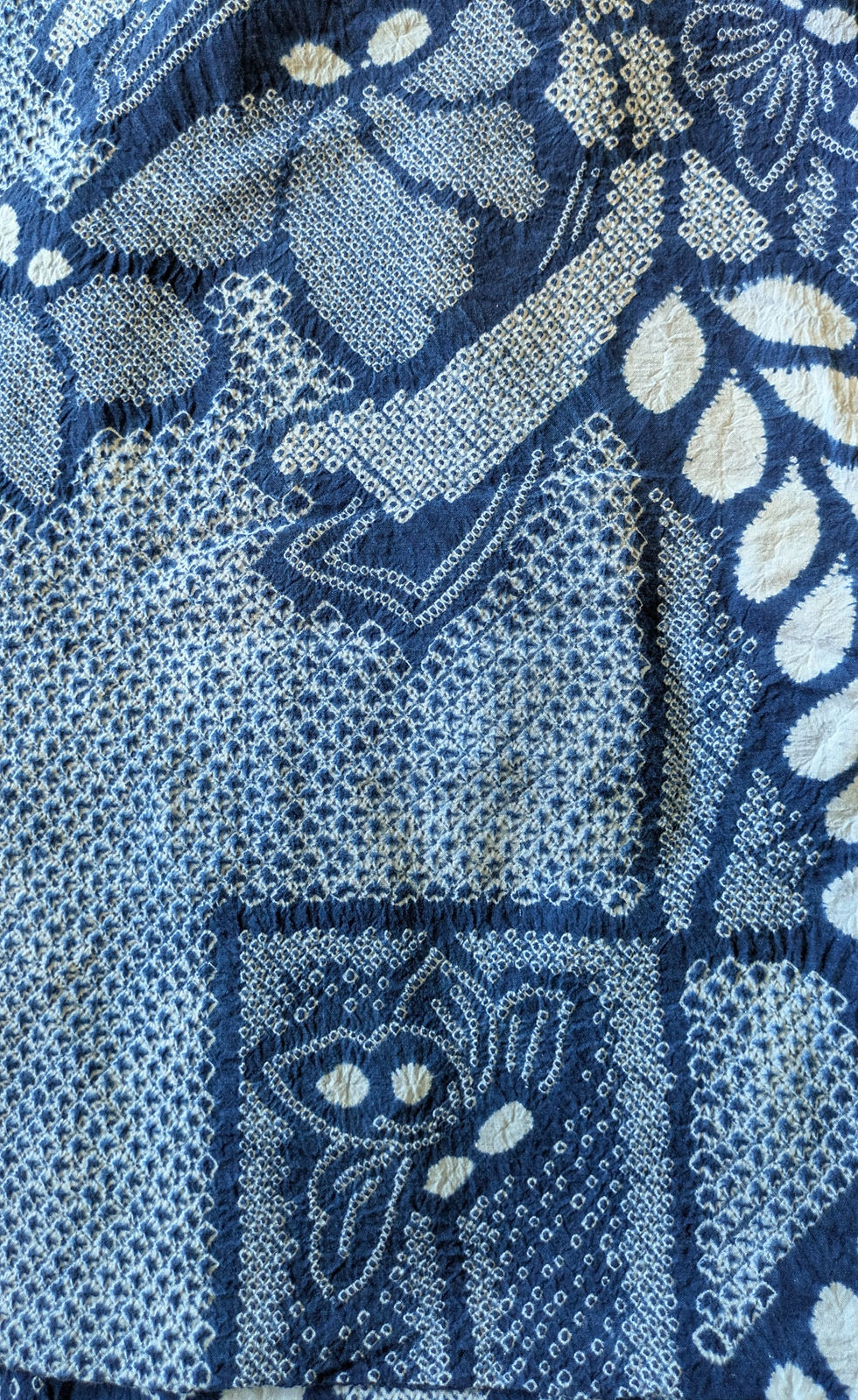
The sebuse is sewn along the back seam, then wrapped with fabric cut from the same cloth. This means the center back is stitched twice — creating a stronger, more durable seam. In an era when lining panels are increasingly left out, wrapping with a sebuse makes perfect sense.
And yet — it is painstaking work. How many seamstresses today still make a sebuse from matching fabric? And how many clients even know what a sebuse is, when they entrust someone with their yukata?
What a waste. MOTTAINAI.
As we discussed, it all begins with cutting the sebuse from the same cloth — which is where the extra effort starts. But it is precisely this small thing, this detail that might seem inconsequential, that eliminates the need for a lining panel and leads to a more comfortable fit. This, we believe, is what true yukata haute couture means.
Next time: the roundness of the sleeve, and sleeve length.
You may never wear a kimono. But you can wear the art of Wasai.
On ne porte pas forcément un kimono. Mais on peut porter l'art du Wasai.
— PASSIONEER

Comments